Scarborough
A village that officially chose not to keep expanding into ocean and fynbos.
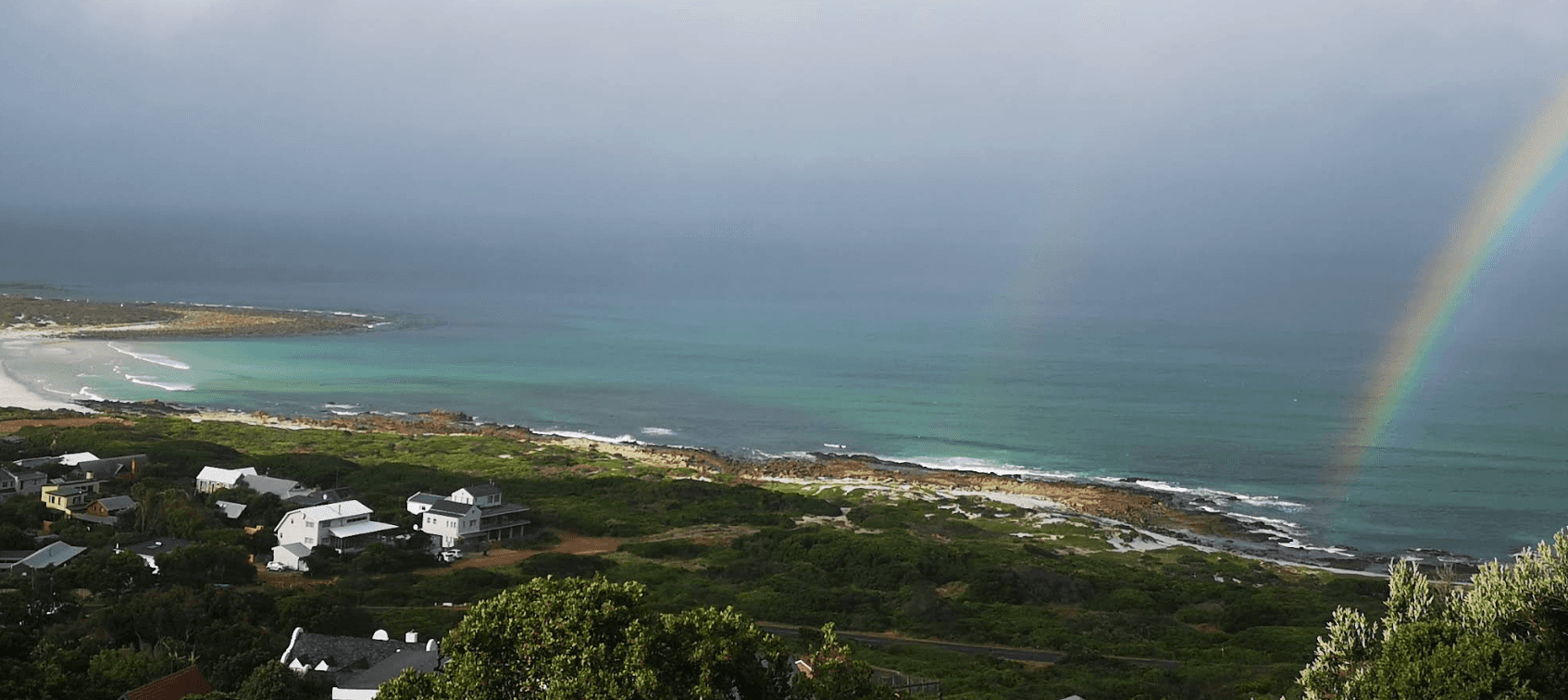
Scarborough feels small for more than its distance from central Cape Town.
In 1996, the settlement officially became a conservation village.
Its boundaries and development are deliberately constrained to prevent urban expansion from spreading endlessly across the natural landscape of the Cape Peninsula.
That helps explain why commercial infrastructure remains limited and why the area feels so different from denser coastal suburbs.
Wind, surf, seasonal changes along the shore and indigenous vegetation remain part of everyday life. Many gardens also retain local plants rather than replacing the surrounding landscape entirely with ornamental planting.
So Scarborough is not interesting because “there is nothing here”.
Its value is almost the opposite. Residents and planners made a conscious decision to preserve some of that emptiness before expensive coastal development filled every space between mountain and ocean.
In short: 🌿 Conservation village since 1996 · 🌊 Atlantic coast · 🏄 Surf · 🌱 Indigenous vegetation · 🏡 Low-density development · 📍 Near Cape Point
🏡 For your stay: Scarborough suits visitors looking for a small coastal village and nature. Check the exact address, distances and your return plans before booking.
🚗 Getting around: plan your journeys in advance and compare the transport options for your route.
Services nearby



More verified places, new finds and round-ups go out in our Telegram channel.
Open Telegram