Kalk Bay
A neighbourhood where the fishing harbour outlived resort life and apartheid.
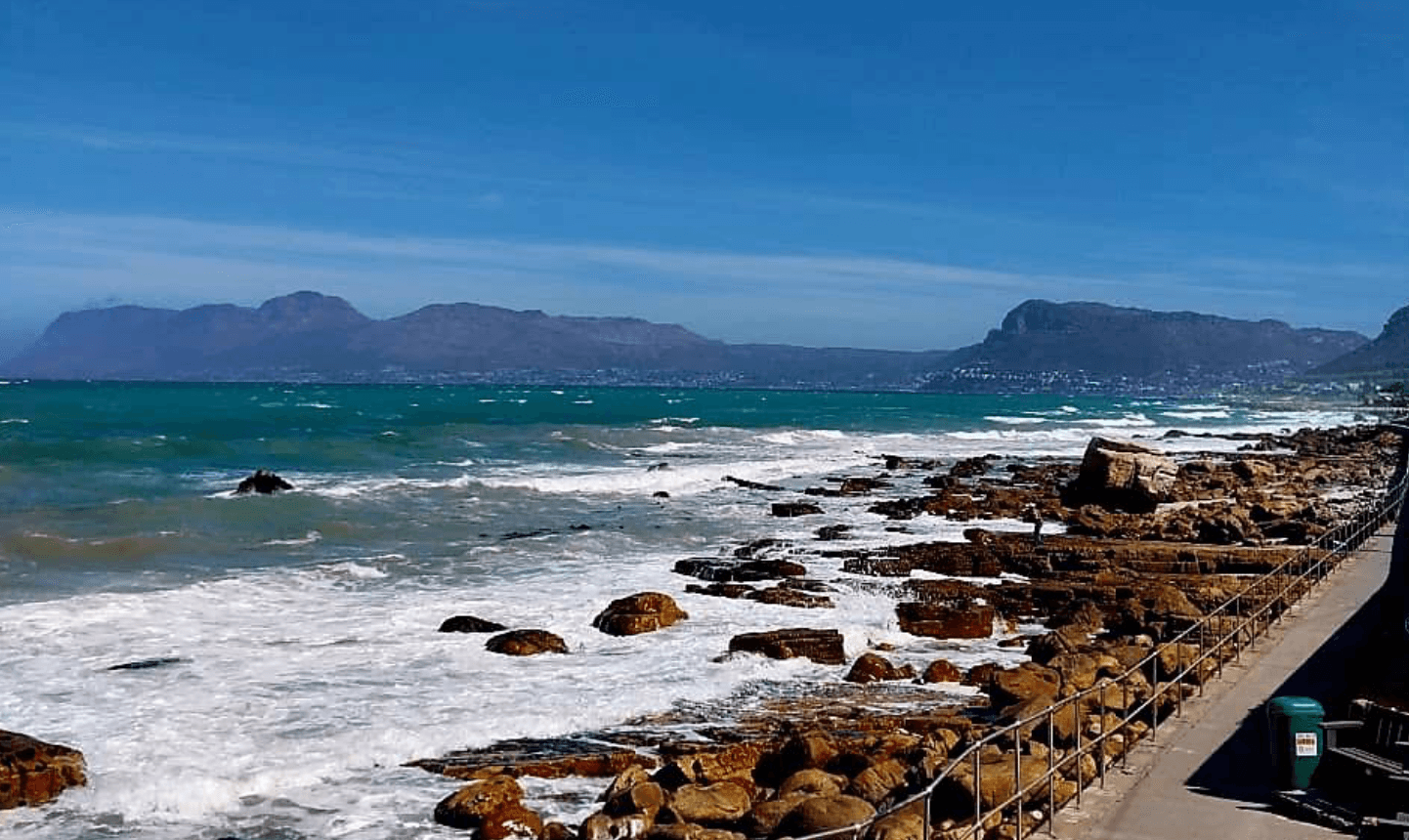
Kalk Bay was never shaped by one neat idea.
It grew through lime production, fishing and a small harbour, followed later by whaling, the railway and life as a seaside resort.
During the 19th century, Filipino sailors also became part of the community, with some settling permanently in the village.
The landscape shaped the neighbourhood too. Old stone stairways climb from the harbour towards houses on the steep slope, so Kalk Bay physically grows upwards from the sea.
During the Group Areas Act era, the area also faced racial removal. The city’s dependence on local fishermen helped some families remain, allowing Kalk Bay to retain a more mixed population than many neighbouring districts.
Today, restaurants, antique shops, books and small independent stores are the most visible layer.
But the real rarity is still down by the water: a genuine working fishing harbour survives inside a major modern city. Kalk Bay grew around it, and the neighbourhood has never completely lost that connection.
In short: ⚓ Working harbour · 🎣 Fishing history · 🇵🇭 Filipino heritage · 🚆 Railway history · 🪨 Stone stairways · 🛍️ Antiques and independent shops
🏡 For your stay: Kalk Bay suits visitors looking for galleries, walks and the atmosphere of False Bay. Check your exact address, distances and evening transport before booking.
🚗 Getting around: plan your journeys and compare transport options for your route.
📍 Nearby: explore Kalk Bay Modern and INK BOX Art Gallery.
Services nearby



More verified places, new finds and round-ups go out in our Telegram channel.
Open Telegram