Dorp Street
A street where three centuries of architecture stand almost door to door.
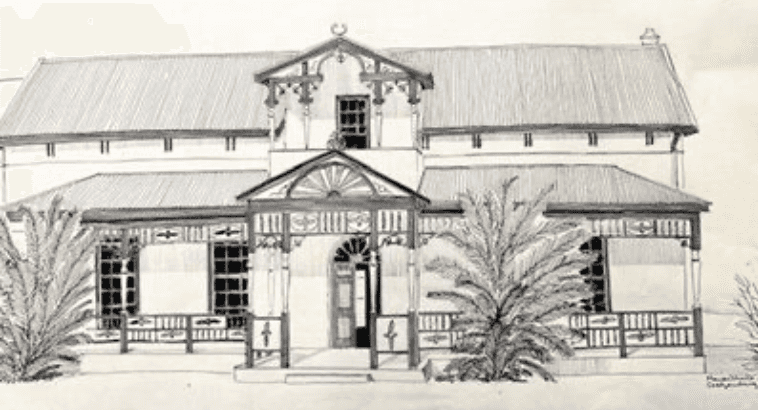
The first plots along Dorp Street were allocated around 1710.
At the time, it functioned as a wagon road connecting Stellenbosch with Cape Town.
What makes the street unusual today is that several architectural periods have not been separated into different museums.
Cape Dutch, Georgian and Victorian houses still stand almost side by side. Old oak trees remain along the route, together with open irrigation furrows that once formed part of the town’s everyday infrastructure.
The walk therefore works almost like an architectural timeline.
The white gables should not be read only as a beautiful version of old Stellenbosch, though.
The wealth of the colonial town depended on enslaved and later cheap labour. Without that context, the surviving houses tell only half the story.
That is what makes Dorp Street particularly useful. You do not need one defining monument. Simply walking the street allows one century of Stellenbosch to gradually turn into the next.
In short: 🕰️ History from around 1710 · 🏛️ Cape Dutch · 🏠 Georgian and Victorian · 🌳 Old oak trees · 💧 Open irrigation furrows · 📍 Stellenbosch
Services nearby





More verified places, new finds and round-ups go out in our Telegram channel.
Open Telegram