De Waterkant
A neighbourhood where 19th-century Cape Town and queer culture overlap.
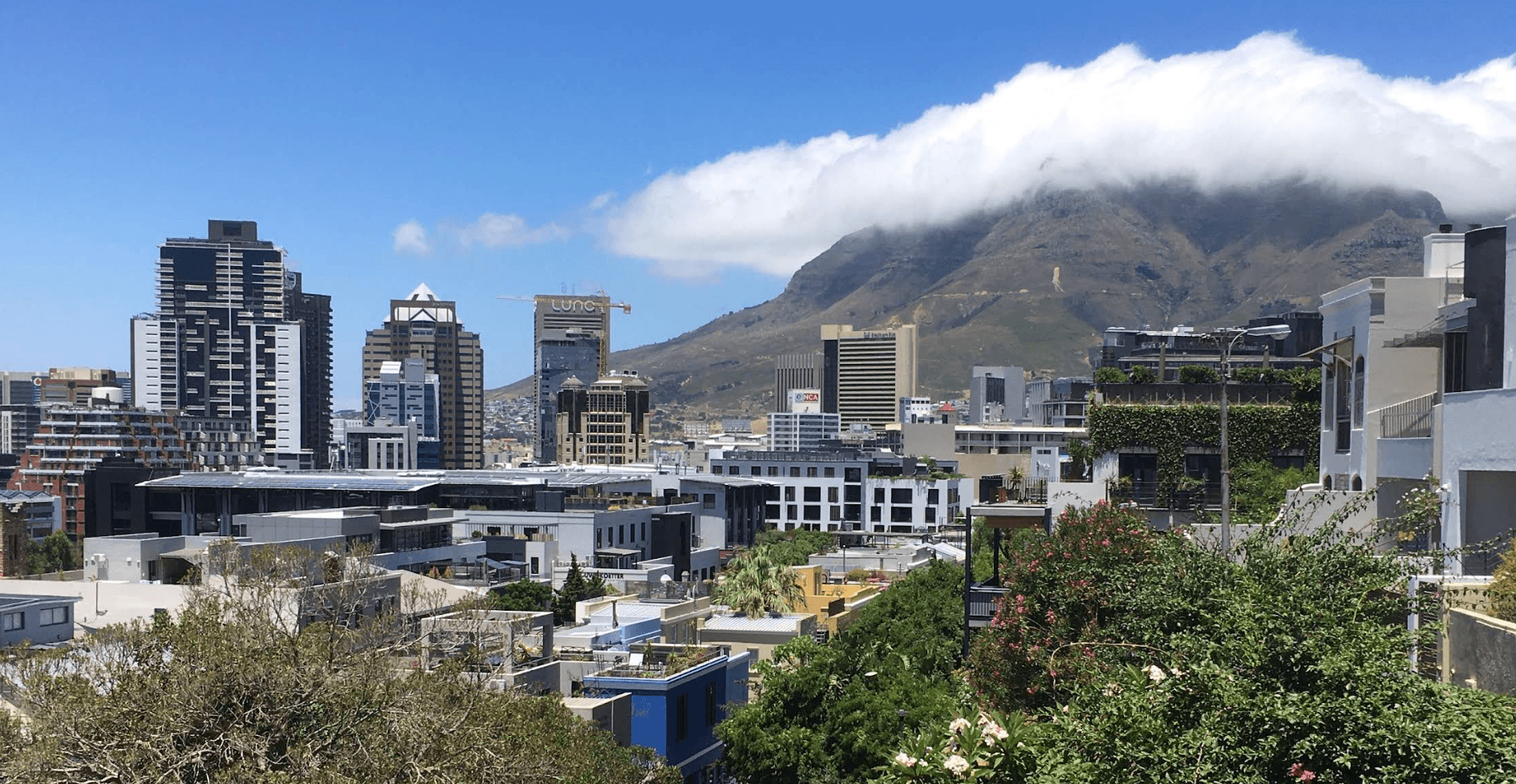
De Waterkant is easy to recognise by its small houses, cobbled streets, flat roofs and pastel façades climbing the slopes of Signal Hill.
But describing it simply as a “European-looking neighbourhood” misses most of the story.
De Waterkant developed beside Bo-Kaap and formed part of Cape Town’s wider Muslim residential history. Its streets still contain 19th-century homes and elements of Cape Georgian architecture.
Another layer arrived later. By the late 20th century, the area had become a visible centre of LGBTQ+ life in Cape Town, with bars, restaurants, guesthouses and a community around them.
Today, strong gentrification adds another chapter. Historic houses have become expensive property, while tourism and hospitality continue to reshape the neighbourhood’s social fabric.
So De Waterkant makes more sense as a place where several versions of Cape Town overlap within a few streets, rather than simply a collection of attractive houses.
In short: 🏘️ 19th-century houses · 🪨 Cobbled streets · 🕌 Cape Muslim heritage · 🏳️🌈 LGBTQ+ history · 🏛️ Cape Georgian details · 📍 Below Signal Hill
🏡 For your stay: De Waterkant suits visitors looking for an urban atmosphere, cafés and a location close to the city centre. Check the exact address, distances and your return plans before booking.
🚗 Getting around: plan your journeys in advance and compare the transport options for your route.
Services nearby





More verified places, new finds and round-ups go out in our Telegram channel.
Open Telegram