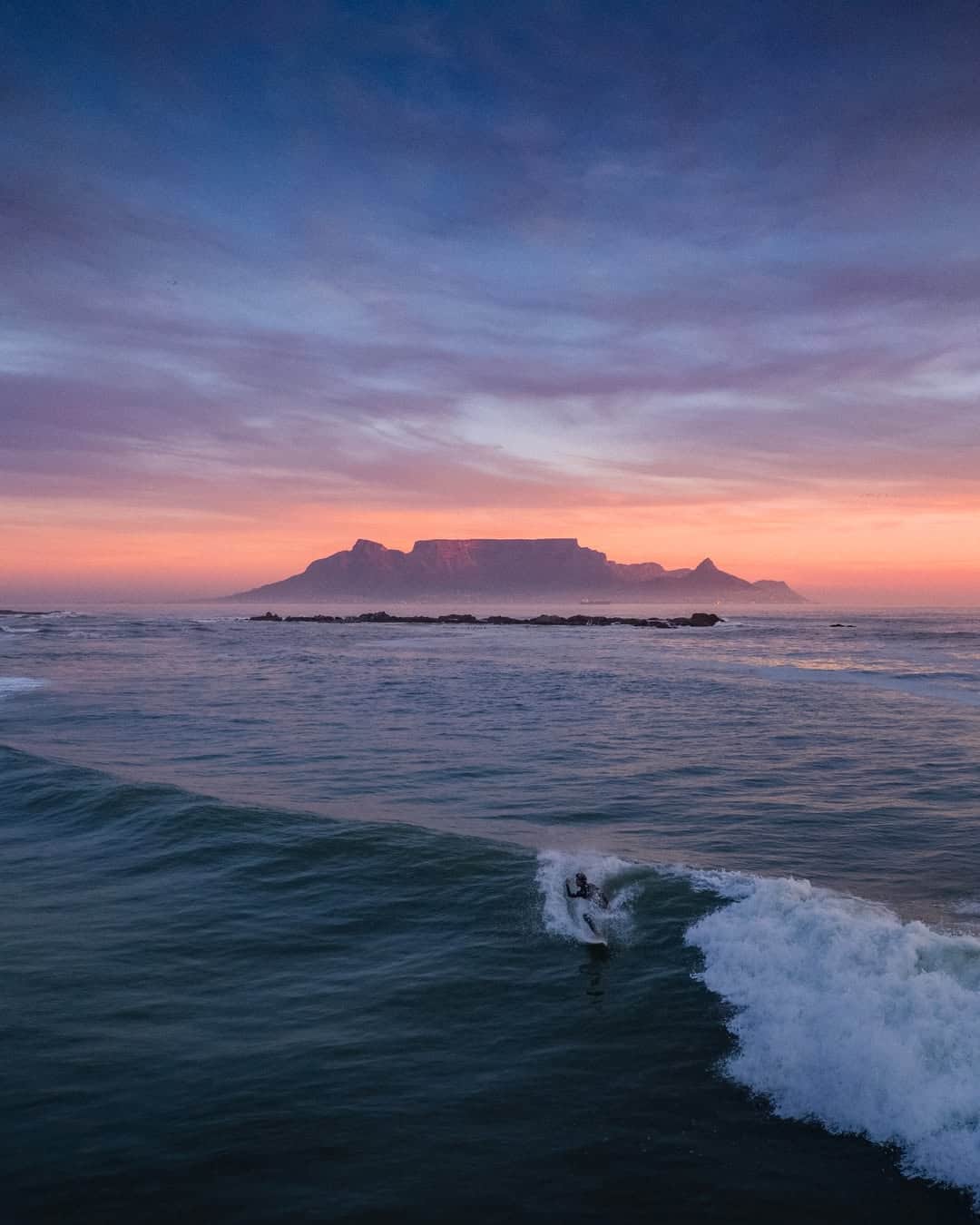

Get in the car in the morning, grab a coffee and drive along the ocean, stopping wherever you feel like it. In Cape Town, having a car really does open up a lot of possibilities 🚗
You can head to the beaches, spend a day in the Winelands or drive around the peninsula. But before you collect the keys, there are a few things worth checking.
Especially if left-hand traffic still feels like a small adventure to you 👀
🚙 Do you need a car in Cape Town?
It depends on your plans. If you are going to spend most of your time in one area and only occasionally travel into the city centre, you can use app-based taxis. But for beaches, trips outside the city and building your own route, a car is often more convenient.
You do not have to rent one for the entire holiday. You can first get used to the city and then rent a car only for the days when you have trips planned.
We covered the other options in the article “How to get around Cape Town”.
📄 What documents to prepare
For a rental, you will usually need your passport and a valid driving licence. Age and driving-experience requirements vary, so check them before booking.
It is also better to sort out the licence question in advance. The South African Embassy states that foreign visitors need a valid national driving licence, and if the licence is not in English, an International Driving Permit is required.
It is used together with your national licence, not instead of it.
💳 What to ask before paying
The daily rate does not always show how much the rental will actually cost in the end. Ask for the full price and conditions in writing.
Here is what is worth checking:
Deposit. How much will be blocked or charged when you collect the car, what type of card is accepted and when the money will be returned.
Mileage. Whether there is a daily or total mileage limit and how much each additional kilometre costs.
Insurance and liability. What is included in the cover, what the excess or your own liability amount is, and what you may need to pay in case of damage.
Exclusions. Whether windows, tyres, the underside of the car, lost keys and roadside assistance are included. Conditions vary between companies.
Route. Whether gravel roads, trips outside the Western Cape or cross-border travel are allowed. If you are planning a longer journey, agree it with the rental company in advance.
Additional costs. Ask about a second driver, child seat, fuel, toll roads, delivery, airport fees and one-way returns.
Also check the cancellation policy and whether any prepayment is refundable. Do not assume deposits, mileage limits or excess amounts will be the same with every company.
📸 Before you drive away, film the car
This is one point I definitely would not skip.
Even if, after a long flight, all you want to do is collect the keys and head towards the ocean.
Walk around the car with a member of staff and film it from all sides in good lighting. Pay attention to the bumpers, wheels and rims, windows, mirrors, roof and interior.
Record scratches, chips and any other damage in close-up.
Separately photograph the mileage and fuel level.
Make sure all existing damage is included in the vehicle inspection report, and keep a copy together with your photos.
If you notice something only after collecting the car, contact the rental company immediately and send them the photos.
When returning the car, film it again, including the fuel level and mileage, and keep the return confirmation until the rental is fully closed and your deposit has been returned.
⬅️ South Africa drives on the left
In Cape Town, traffic drives on the left-hand side.
The first few minutes can feel unfamiliar, especially when turning, using roundabouts and leaving a parking space.
I would not plan a complicated drive during the first hour after a long flight.
First, adjust the mirrors, get familiar with the controls and take a calm drive along an easy route during daylight.
On different cars, the indicators may be on different sides of the steering wheel.
Check this before you leave, so you do not accidentally turn on the windscreen wipers instead of indicating 😌
🚦 Traffic lights, STOP signs and speed limits
Locals often call a traffic light a robot.
So if you hear that word while someone is explaining directions, they usually mean a traffic light.
At an intersection marked 4-way stop, cars stop from all directions. Usually, the first vehicle to stop is the first one to go.
Do not rush and make sure the other drivers are giving you way.
If a traffic light is not working, slow down, stop and make sure it is safe before crossing.
Pay attention to road signs: speed limits can change even along a familiar route.
General limits, unless signs state otherwise, are 60 km/h in built-up areas, 100 km/h on ordinary roads outside built-up areas and 120 km/h on motorways.
Wear your seat belt and ask your passengers to do the same.
Use your phone while driving only through hands-free.
It is better to set your navigation before you start driving.
🅿️ Where to park and how not to leave belongings visible
Choose official parking areas or well-lit places with clear payment rules.
Check the signs, time restrictions and keep the ticket if you need it to leave the parking area.
Do not leave bags, documents, electronics or shopping visible inside the car.
Whenever possible, put things away before arriving at the parking area rather than moving them into the boot in full view of everyone.
Keep doors and windows closed, including while driving.
It is better to check the route in advance, especially when travelling at night or going to the airport.
If your navigation suggests an unfamiliar detour, do not follow it automatically. If you are unsure, confirm the route with your host or rental company.
We collected more practical advice in the article “Safety in Cape Town”.
⛽ Fuel, petrol stations and toll roads
When collecting the car, ask which type of fuel it uses and check the return policy — for example, whether you need to return it with the same fuel level.
Before a longer trip, fill up in advance and keep the receipts.
It is also better to check toll roads before setting off.
If you are planning to drive along Chapman’s Peak Drive, check whether the road is open and what conditions apply on the day of your trip.
If the car starts making unusual noises, a warning light comes on or something stops working, pull over somewhere safe and contact the rental company.
Do not continue driving until they give you instructions.
🚨 What to do in case of an accident or theft
First, take care of the people involved and your own safety.
If anyone is injured or there is immediate danger, call the emergency services: 10111 for police and 10177 for an ambulance.
Contact the rental company as soon as possible and follow its instructions.
If it is safe, photograph the scene, the damage and collect the details of the people involved and any witnesses.
Ask the rental company how the incident should be reported and which documents they need.
Report the incident to the police as soon as possible and check the required deadline.
Many rental companies require a police case number and documents within 24 hours, not 48.
Check the exact deadline in your own rental agreement.
Do not agree to towing or repairs without the rental company’s approval if the situation allows you to contact them first.
💚 We can help you find a car
If you do not want to compare all the options yourself, message us.
Over the past two years, we have built relationships with partners in Cape Town that we work with, and we can help you find a car for your dates, route and budget.
Tell us when you are arriving, how many people will be travelling and where you are planning to go.
Before booking, we can help clarify the conditions for the specific car: price, deposit, cover and mileage.
FAQ
Officially, I'm an editor of city media around the world. But really, I'm just that traveling frog who chases adventures, connects people, and discovers new ways to make life a little more meaningful, exciting, and full of wonder every day